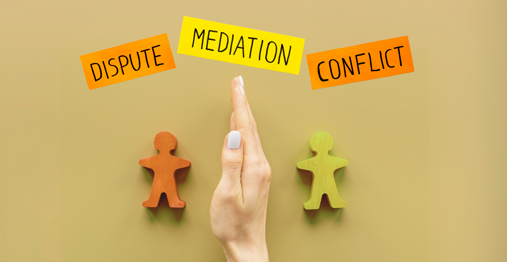


Mediation as alternative dispute resolution: A clear introduction to resolving conflicts outside of the courtroom through a structured, neutral process.
Mediation is a dynamic, structured, interactive process: An exploration of how mediation works as an active dialogue that encourages participation from both parties. What is the difference between mediation and facilitation? Learn the technical distinctions between these two processes to see which is best for your specific family dispute.
Mediation an alternative dispute resolution.
Mediation is a concept that plays an increasingly important role in our society. Mediation is seen as an alternative dispute resolution (ADR), ie an alternative to litigation. Divorce is very traumatic and usually an expensive process. This makes mediation an ideal alternative to protracted and expensive litigation.
What is divorce settlement mediation?
Divorce settlement mediation is not therapy or marriage counselling. Simply put, it is the process of dissolving your marriage in a legally-sound but non-litigious manner. Instead of appointing two separate attorneys to litigate your divorce, you and your spouse consult with a family law practitioner. The mediator assists you both in reaching a mutually acceptable resolution, in the best interests of you and your family. The mediator guides you within an anticipated range of likely court outcomes as determined by the mediator, who is an expert in child and family law.
If you mediate your divorce, the outcome is determined by you and your spouse who have a financial and emotional interest in the ultimate success of such outcome. With the help of your mediator, the two of you will work together to design an agreement that makes the most sense for you and your family having regard to the particular facts and laws applicable to your case.
Why is settlement mediation the wise option?
Mediation will
• save a significant amount of money
• shorten the divorce process dramatically
• reduce emotional trauma for adults and children alike
• empower you to make your own decisions concerning your future
• preserve the estate for the benefit of the spouses and the children
• help children adapt with greater ease to the change in their lives post-divorce
• create a co-operative atmosphere in the interests of post-divorce parenting
Mediation is a dynamic, structured, interactive process.
Mediation is a dynamic, structured, interactive process where a neutral third party assists disputing parties in resolving conflict through the use of specialized communication and negotiation techniques. All participants in mediation are encouraged to actively participate in the process. Mediation is a "party-centered" process in that it is focused primarily upon the needs, rights, and interests of the parties. The mediator uses a wide variety of techniques to guide the process in a constructive direction and to help the parties find their optimal solution. A mediator is facilitative in that she/he manages the interaction between parties and facilitates open communication. Mediation is also evaluative in that the mediator analyzes issues and relevant norms ("reality-testing"), while refraining from providing prescriptive advice to the parties
Family mediation is based on the same principles that apply in mediation generally;-
• Voluntariness
• Transparency
• Mutual Respect
Family mediation is non-confrontational in nature and progressive.
It encourages parties to focus on the future and problem solving strategies rather than the problems of the past. The process is also "child centered" whereby the parties are encouraged to make special provision for the needs of children where the subject parties of such mediations have childcare related issues.
In the recent case Van den Berg v Le Roux [2003] 3 All SA 599 (NC), which dealt with the variation of a custody order after divorce, Kgomo JP ordered the parties to privately mediate all future disputes with regard to their 10-year-old daughter.
He ordered that "[o]nly subsequent to the conclusion of the mediation process could either party approach a competent court which has jurisdiction to decide the dispute" (614g). In delivering this decision the court effectively subjected the parties to mandatory family mediation. In another recent case Townsend-Turner and another v Morrow [2004] 1 All SA 235 (C), the full bench of the Cape Provincial Division of the High Court made a similar decision when confronted with an access dispute between the father of a 7-year-old boy and the boy's maternal grandmother.
The parties were ordered to attend mediation offered by private mediators of their own choice or those proposed by the office of the family advocate in an effort to resolve the issues of conflict between them including, of course, the issue of access (256f-h). The court ordered that the mediation had to commence within two weeks of the granting of the order (256j) and that it should continue for a period of at least three months or for the duration of at least four mediation sessions (257a).
The parties were also ordered to share equally the costs of the mediation (256i). From a slightly different angle mediation also came under the spotlight in the Zimbabwe High Court in G v G 2003 (5) SA 396 (Z). In this case it was pointed out that the adversarial system of litigation (which also applies in Zimbabwe) is often inimical to the interests of children when questions of divorce, custody and access are involved (412A). The court referred to a comparative study of parties who went for mediation and others who left it up to the court to adjudicate their differences which showed "... very clearly and definitely, that there was greater satisfaction among both children and parents in those cases where mediation was used as opposed to an adversarial approach" (412D-E).
What is the difference between mediation and facilitation?
Mediation is a voluntary process. Facilitation is initially voluntary, the parties having agreed to it, and is then made an order of court, also by agreement. The facilitator is appointed in terms of the Court Order. In mediation, the parents come to agreement regarding an issue. In facilitation, the facilitator will always first attempt to mediate a dispute between the parents, but, if they cannot come to agreement, the facilitator has the authority to make a decision that is binding on them.